
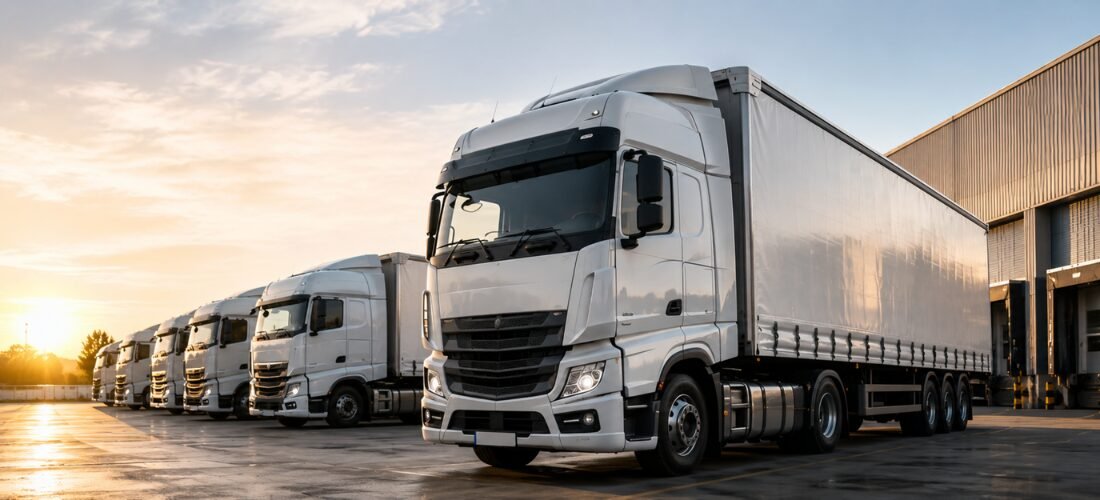
Few sectors depend on their vehicles as directly as haulage and logistics. A truck off the road isn’t just a maintenance headache — it’s a contract that can’t be fulfilled, a driver with nothing to drive, and a dent in the relationship with a customer who needed that delivery on time. For most operators, the fleet isn’t a business asset in the abstract sense. It’s the business.
That makes vehicle finance decisions in this sector higher-stakes than in most others. Get the right fleet, financed the right way, and a haulage business can take on growth with confidence. Get it wrong — vehicles that are too old, too few, or financed in a way that strangles cash flow — and it shows up fast, in missed jobs and rising repair bills.
Why HGV Finance Looks Different From Ordinary Vehicle Finance
Heavy goods vehicles, trailers and specialist logistics equipment carry a different risk and value profile to standard commercial vehicles. They’re expensive — often well into six figures for a new tractor unit — they depreciate on a different curve, and their resale market is more specialised. Lenders price and structure finance around all of that, which means HGV finance is usually its own category rather than a variant of ordinary business car or van finance.
It also tends to involve larger, longer-term commitments. A single vehicle purchase can represent a meaningful chunk of a smaller haulage business’s annual turnover, so the structure of the finance — not just the headline rate — has a real effect on cash flow for years afterward.
The Main Ways to Finance HGVs and Trailers
Hire purchase. Payments are spread over an agreed term, with ownership transferring at the end. This suits operators who plan to run vehicles for the long haul and want an asset on the books once it’s paid off.
Finance lease. The business pays to use the vehicle over a fixed period without ever taking ownership, which can suit operators who prefer not to carry vehicles as owned assets or who expect to replace them regularly.
Contract hire. Often bundled with maintenance, this shifts some of the operational risk — servicing, unexpected repairs — onto the finance provider, in exchange for a fixed monthly cost. Useful for operators who want cost certainty above all else.
Refinance. For operators who already own vehicles outright, refinancing releases the capital tied up in them — useful for funding a fleet expansion or bridging a cash flow gap without taking out a separate loan.
Which structure suits a given operator usually comes down to how long they intend to keep the vehicle, how much they value cost certainty versus eventual ownership, and how the payments fit against their contract and payment cycles.
Matching Finance Structure to How the Fleet Is Used
A business running a small number of vehicles on long-term contracts often has different priorities to one running a larger, more flexible fleet against short-term or spot work. The first might value ownership and lower long-term cost; the second might value the flexibility to scale the fleet up or down without being tied to depreciating assets it doesn’t need in a quieter period.
Trailers are worth thinking about separately from tractor units too. They typically have a longer working life and a different depreciation profile, and it’s common for operators to finance them on different terms — or through refinancing older trailers they already own — even where the tractor units are financed through hire purchase or contract hire.
What Lenders Look At
HGV finance applications are usually assessed on a combination of the business’s trading history, the specific vehicle or fleet being financed, and the intended use — haulage contracts, own-account distribution, and specialist logistics work can all be viewed differently. Newer operators, or those financing a first significant fleet expansion, may find some lenders more cautious than others, which is where approaching several lenders rather than one makes a genuine difference to the outcome.
Getting the Best Terms as an Operator
Fleet finance rates and terms vary more between lenders than many operators expect, particularly for HGVs and specialist trailers where not every lender has the same appetite or expertise. A broker working across a panel of lenders can compare structures — hire purchase, lease, contract hire, refinance — against actual rates and terms, rather than accepting whatever a single lender or dealership finance arm offers.
For a growing haulage or logistics business, that comparison can be the difference between a fleet expansion that strengthens cash flow and one that quietly strains it.
Talk to Us Before You Commit to a Fleet Decision
Whether you’re replacing ageing vehicles, expanding the fleet to take on new contracts, or looking to release capital from trucks and trailers you already own, the finance structure matters as much as the vehicles themselves.
MacManus Asset Finance is an FCA-regulated, independent broker working with a panel of lenders across the UK — not a lender ourselves, so our focus is on finding the right structure and rate for your fleet. Get in touch for a fleet finance quote before you commit to your next vehicle or trailer purchase.
Ready to Make Asset Finance Work for Your Business?
Partner with MacManus Asset Finance Ltd, an independent broker established in 2005, helping UK SMEs access tailored finance solutions. Our friendly, professional, and consultative team works across all industries and can guide you through hire purchase, leasing, and finance lease options. With access to over 60 finance companies and full FCA authorisation, we ensure your business finds the right solution for growth.