Most conversations about business finance start with a purchase — a new machine, a new van, a new piece of software. But some of the most useful funding a business can access isn’t tied to buying anything at all. It’s already sitting on the balance sheet, in the form of equipment, vehicles or machinery the business owns outright.
Asset refinance is the process of unlocking that value — turning owned assets back into working capital, without giving them up.
What Is Asset Refinance?
Asset refinance works by using equipment or vehicles a business already owns, unencumbered, as security for new funding. A lender assesses the value of the asset and advances a percentage of it as a lump sum, which the business repays over an agreed term — much like hire purchase, but in reverse. The business keeps using the asset throughout, and once the agreement is settled, it’s owned outright again.
It’s a route that works well for businesses that have invested in equipment over time — sometimes from cash reserves, sometimes as the final payment on a previous finance agreement — and now have capital effectively locked away in something they can’t easily convert back to cash.
Why Businesses Refinance Assets They Already Own
There are a few situations where this comes up regularly:
Bridging a cash flow gap. A large contract has landed, but the materials, staff or subcontractors need paying before the invoice is settled. Rather than taking on an unsecured loan, refinancing existing equipment can release funds against something the business already controls.
Funding growth without new borrowing on the balance sheet in the same category. Some businesses would rather raise capital secured against a tangible asset — with clear terms and a fixed repayment schedule — than take on a general business loan.
Releasing capital tied up after a big purchase. A business that bought equipment outright a year or two ago, and has since needed the cash back for another purpose, can effectively “undo” that decision through refinance rather than selling equipment it still needs.
Consolidating multiple finance agreements. Where several pieces of equipment are on different finance arrangements, refinancing can sometimes bring them under one facility with simpler, more predictable payments.
What Can Be Refinanced?
Lenders will typically consider refinancing most tangible business assets with a clear resale value, including:
- Commercial vehicles, vans and HGVs
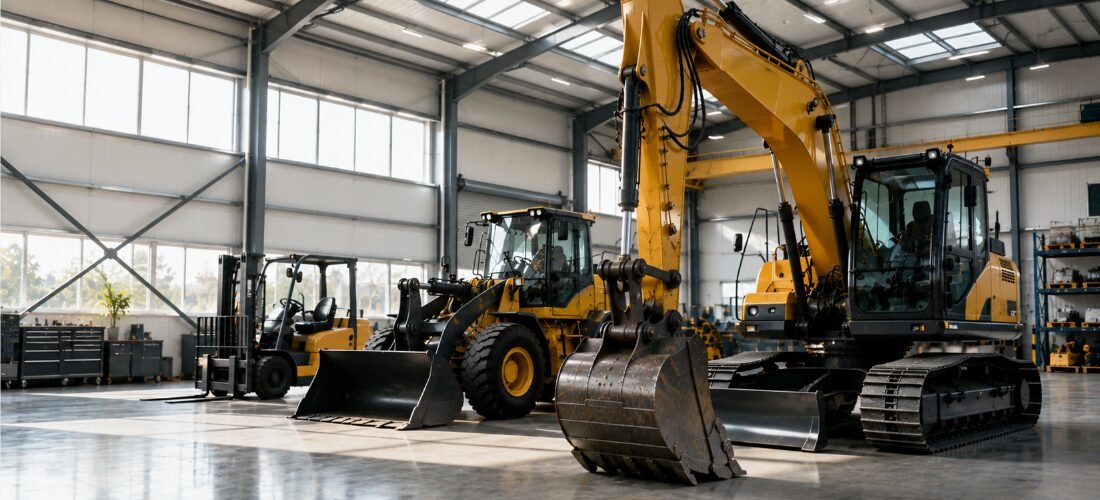
- Construction and groundworks machinery
- Manufacturing and production equipment
- Agricultural machinery
- Catering and hospitality equipment
The key requirement is that the asset is owned outright, or close to it — refinancing usually isn’t possible while an asset still has significant finance owed against it, since a lender needs to be first in line as security.
How Much Can You Release?
The amount available depends on the asset’s current market value rather than what was originally paid for it, since depreciation, condition and demand all affect what a lender is willing to lend against. A well-maintained asset in an active resale market — vehicles and popular machinery, for example — will typically unlock a higher percentage of its value than something more specialised or harder to resell.
This is also where an accurate, independent valuation matters. Businesses sometimes assume an asset is worth less than it actually is (or, less often, more), which is why it’s worth getting a proper assessment before deciding whether refinancing makes sense for a given situation.
Is Refinancing the Right Move?
Refinancing isn’t free money — it’s a finance agreement like any other, with interest and fixed repayments, and it puts a charge over the asset until the term is complete. It tends to make the most sense when the capital released will be used productively: funding a specific contract, smoothing a cash flow gap, or investing in growth that generates a clear return. It makes less sense as a way to cover ongoing shortfalls without addressing what’s causing them.
A broker working across a panel of lenders can help here too, since appetite and rates for asset refinance vary considerably by lender, sector and asset type — a business that’s been quoted a poor rate, or turned down by one lender, often has better options elsewhere.
Find Out What Your Equipment Could Release
If your business owns vehicles, machinery or equipment outright, there’s a reasonable chance there’s working capital sitting in them that could be put to better use.
MacManus Asset Finance is an FCA-regulated, independent broker working with a panel of lenders across the UK — not a lender ourselves, so our role is to find the structure and rate that suits your business specifically. Get in touch for a free asset refinance valuation and a no-obligation look at what your equipment could release.
Ready to Make Asset Finance Work for Your Business?
Partner with MacManus Asset Finance Ltd, an independent broker established in 2005, helping UK SMEs access tailored finance solutions. Our friendly, professional, and consultative team works across all industries and can guide you through hire purchase, leasing, and finance lease options. With access to over 60 finance companies and full FCA authorisation, we ensure your business finds the right solution for growth.