
When it comes to funding vehicles or other essential business assets, small and medium-sized enterprises (SMEs) have more options than ever. Two of the most popular solutions are hire purchase and leasing. While both allow businesses to acquire the equipment they need without paying the full cost upfront, the way they work and their financial implications differ significantly. Choosing the right option can affect short-term cash flow support, tax-efficient financing, and the overall financial health of your business. This guide explains both approaches, helping you make an informed decision while highlighting available asset finance solutions for SMEs.
What is Hire Purchase?
Hire purchase is a straightforward financing option where a business hires an asset and pays for it in fixed monthly installments over an agreed period. Ownership is only transferred to the business once all payments have been made. This approach is particularly common for vehicle finance options and machinery.
How it works:
- You select the asset you want.
- You agree on a deposit (usually 10–20% of the asset’s value).
- You pay monthly installments over a fixed term.
- Once all payments are complete, ownership transfers to your business.
Advantages of Hire Purchase:
- Eventual ownership: Once the final payment is made, the asset is yours outright, giving you long-term value.
- Fixed payments: Monthly costs are predictable, making budgeting simpler.
- VAT advantages: If your business is VAT-registered, you may reclaim VAT on the asset upfront, which ties into tax-efficient financing strategies.
Considerations:
- Obsolescence risk: If technology advances quickly, the asset may become outdated by the end of the HP term.
- Upfront costs: The deposit can be significant, affecting short-term cash flow.
- Responsibility for maintenance: As the owner, your business is responsible for repairs and upkeep.
What is Leasing?
Leasing allows businesses to rent an asset over an agreed period, typically without ever owning it. There are two main types of leases: operating leases and finance leases. Operating leases are more like long-term rentals, while finance leases function similarly to hire purchase but may include different tax treatments.
How it works:
- Your business selects the asset.
- You agree on a contract term and monthly rental payments.
- At the end of the lease, you may have the option to renew, return, or sometimes purchase the asset.
Advantages of Leasing:
- Lower upfront costs: Leasing usually requires little or no deposit, which helps with short-term cash flow support.
- Cash flow flexibility: Monthly payments are often lower than HP installments, preserving working capital.
- Access to the latest technology: Leasing makes it easier to upgrade business vehicles or equipment regularly.
- Maintenance options: Some leases include servicing and maintenance packages, reducing administrative burdens.
Considerations:
- Contract restrictions: Some leases impose mileage limits, usage terms, or wear-and-tear penalties, particularly for vehicles.
- No ownership by default: Unless you choose a lease with a purchase option, the asset never becomes yours.
- Long-term cost: Over time, leasing can be more expensive than buying outright via hire purchase.
Comparing Hire Purchase and Leasing
| Feature | Hire Purchase | Leasing |
|---|---|---|
| Ownership | Transfers after final payment | Typically remains with provider |
| Upfront costs | Deposit required | Usually low or none |
| Monthly payments | Fixed, potentially higher | Often lower and flexible |
| Cash flow impact | Higher initially due to deposit | Lower, preserves working capital |
| Tax treatment | Can claim capital allowances | Can often deduct full rental payments as a business expense |
| Upgrade flexibility | Less flexible | Easier to upgrade business vehicles or equipment regularly |
| Maintenance responsibility | Your business | Often included in lease packages |
Which Option Is Best for Your Business?
The right choice depends on your business priorities, financial situation, and asset needs:
- Hire Purchase may suit you if:
- You want full ownership of the asset eventually.
- You can afford a deposit and higher monthly installments.
- You plan to use the asset for several years without frequent upgrades.
- Leasing may suit you if:
- You prefer lower upfront costs and predictable monthly payments.
- You want the flexibility to upgrade equipment or vehicles regularly.
- You wish to reduce administrative responsibilities like maintenance.
Tip: Many SMEs combine both approaches depending on the type of asset. For instance, vehicles that need frequent updates may be leased, while long-term machinery purchases could be financed via hire purchase.
Practical Applications by Industry
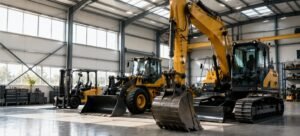
- Construction: SMEs often use funding for construction equipment via hire purchase or leasing to manage cash flow efficiently.
- Agriculture: Financing agricultural machinery helps farmers spread costs while keeping operations running smoothly.
- Manufacturing: Manufacturing machinery investments financed via HP provide long-term ownership benefits without stalling production.
- Professional services: SME professionals can explore tailored asset finance solutions for SMEs to manage vehicles, IT, or office equipment.
Final Thoughts
Choosing between hire purchase and leasing is a crucial decision that can affect your business’s financial health, cash flow, and operational flexibility. Leasing or hire purchase both offer distinct advantages: HP delivers long-term ownership and capital investment, while leasing offers lower initial costs and flexibility for upgrading business vehicles or equipment.
Evaluating your business’s cash flow, growth plans, and asset usage will help determine which solution aligns with your goals. Resources like invoice and working capital finance or vehicle finance options can also complement your chosen strategy, ensuring your SME acquires the assets it needs without unnecessary financial strain.
Ready to Make Asset Finance Work for Your Business?
Partner with MacManus Asset Finance Ltd, an independent broker established in 2005, helping UK SMEs access tailored finance solutions. Our friendly, professional, and consultative team works across all industries and can guide you through hire purchase, leasing, and finance lease options. With access to over 60 finance companies and full FCA authorisation, we ensure your business finds the right solution for growth.